
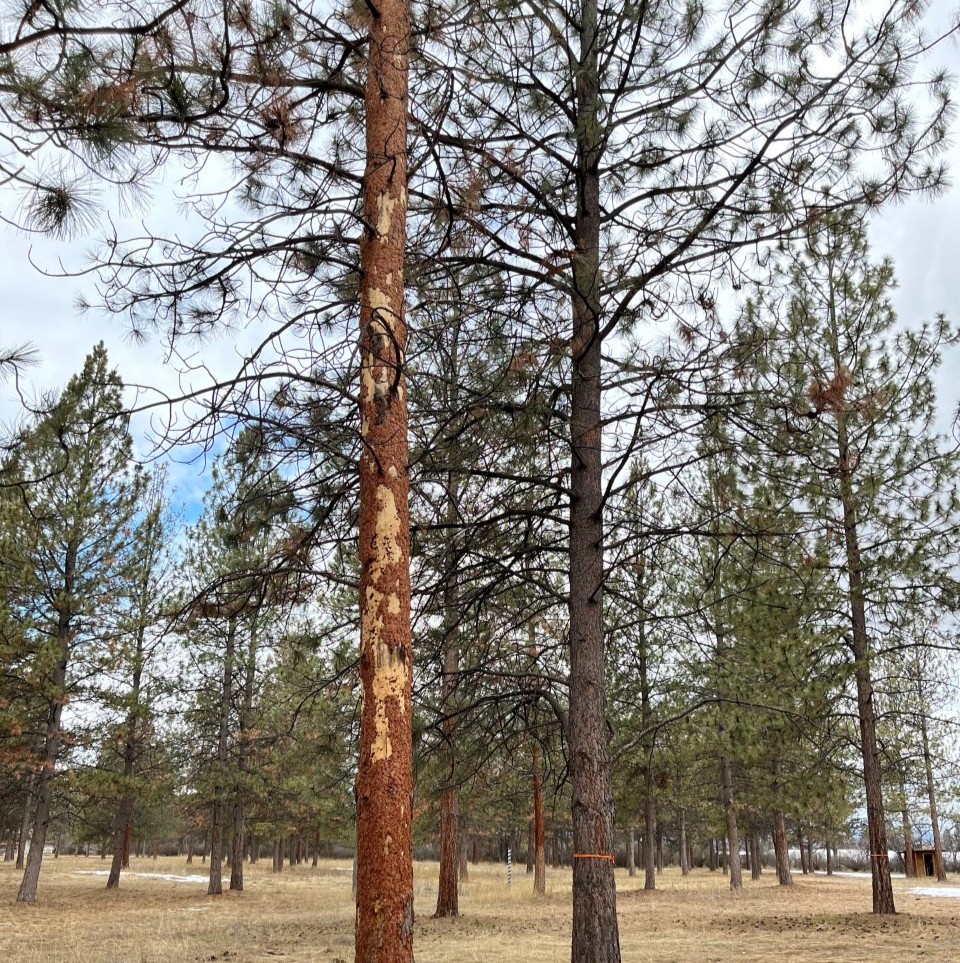
Wood Borers
Family Cerambycidae - Roundheaded/Longhorned Wood Borers
Family Buprestidae - Flatheaded/Metallic Wood Borers
HOSTS: Multiple
Wood borers infest conifers and deciduous trees.
DAMAGE: Secondary
Wood borers primarily infest trees that are already dying, dead, or down, although some may attack and kill seemingly healthy trees.
Ecology
Wood borer beetles ("wood borers") feed in the cambium before tunneling deeper into sapwood and sometimes heartwood. Wood borers are larger and tunnel deeper into trees than bark beetles, which feed on the phloem (vascular tissue that transports water and nutrients) just under the bark. Wood borers can be classified as either roundheaded borers, which have long antennae and are also called the longhorned borers, or the flatheaded borers, which are also known as the metallic borers due to their shiny exoskeleton.
Wood borers typically infest trees that are deadly or dying, assisting in wood decomposition and forest regeneration. They do not typically cause mortality on their own. However, when trees are drought-stressed, it is possible for wood borer attack to result in death. Bark beetles and wood borers commonly occur in the same tree.
Life Cycle
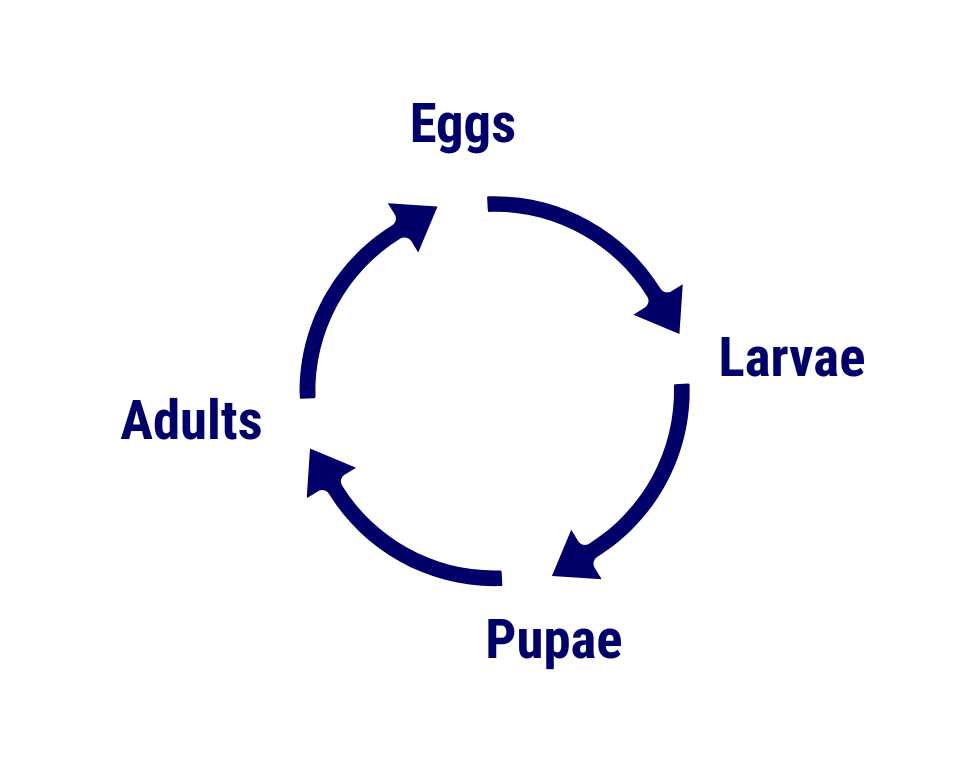
The life cycle of wood borers varies greatly between different species, and depends on host tree nutritional quality. For example, the flatheaded fir borer (a pest of Douglas-fir, true firs and western larch) typically has a one-year life cycle. Adults emerge in spring, feed on needles, and then lay eggs on the outer bark. The larvae feed throughout the summer, overwinter, and then pupate in spring before emerging as adults. Other wood borer species may spend years in the larval life stage. The majority of damage caused by wood borers occurs during the larval lifestage.
Identification
-
Boring dust ("frass") accumulates as wood borers begin tunneling into the tree.
-
Galleries are wide and meandering.
-
Roundheaded/longhorn wood borer frass is long and pointed, like a toothpick ("excelsior"). Galleries will be loosely packed with the excelsior frass.
-
Roundheaded larvae have plump, rounded segments near the head and a hardened plate on the top of the first body segment. Roundheaded/longhorned adults have long antennae (longer than their bodies), with the antennae of males being slightly longer than those of females. Adults emerge from round exit holes about 1/4 inch wide.
-
Flatheaded/metallic wood borer frass is powdery and fine. Flatheaded galleries will be tightly packed with frass.
-
Flatheaded larvae have noticeably flattened heads that are broader than the rest of their body, and have a hardened plate on the top and bottom of the first body segment. Flatheaded adults are often brightly colored and metallic, with antennae shorter than their bodies. Adults leave behind oval or D-shaped exit holes 1/8-1/4 inches wide.
-
Woodpeckers flake off bark when feeding on wood borer larvae, although this may occur with bark beetles as well.
Roundheaded/Longhorned Wood Borers
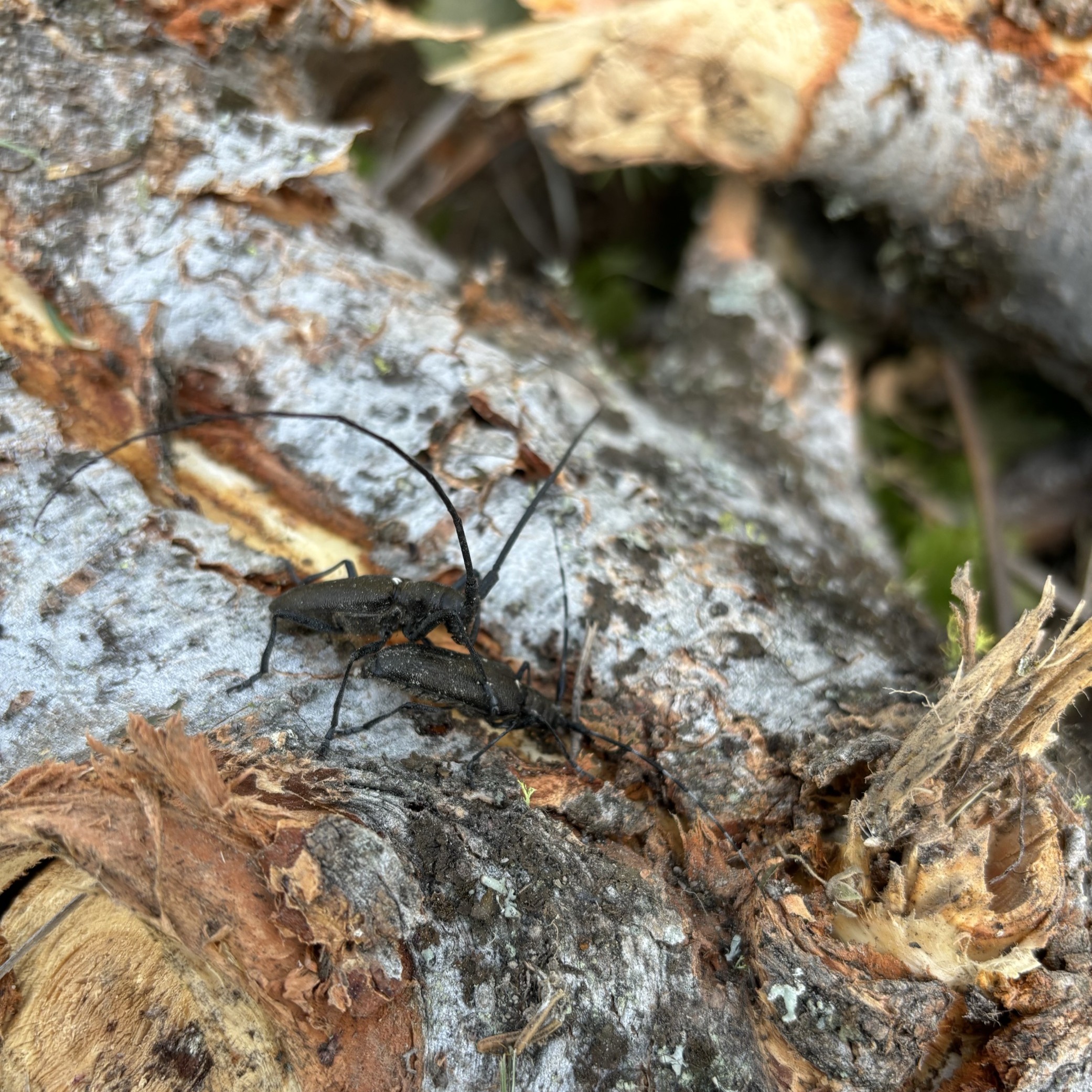
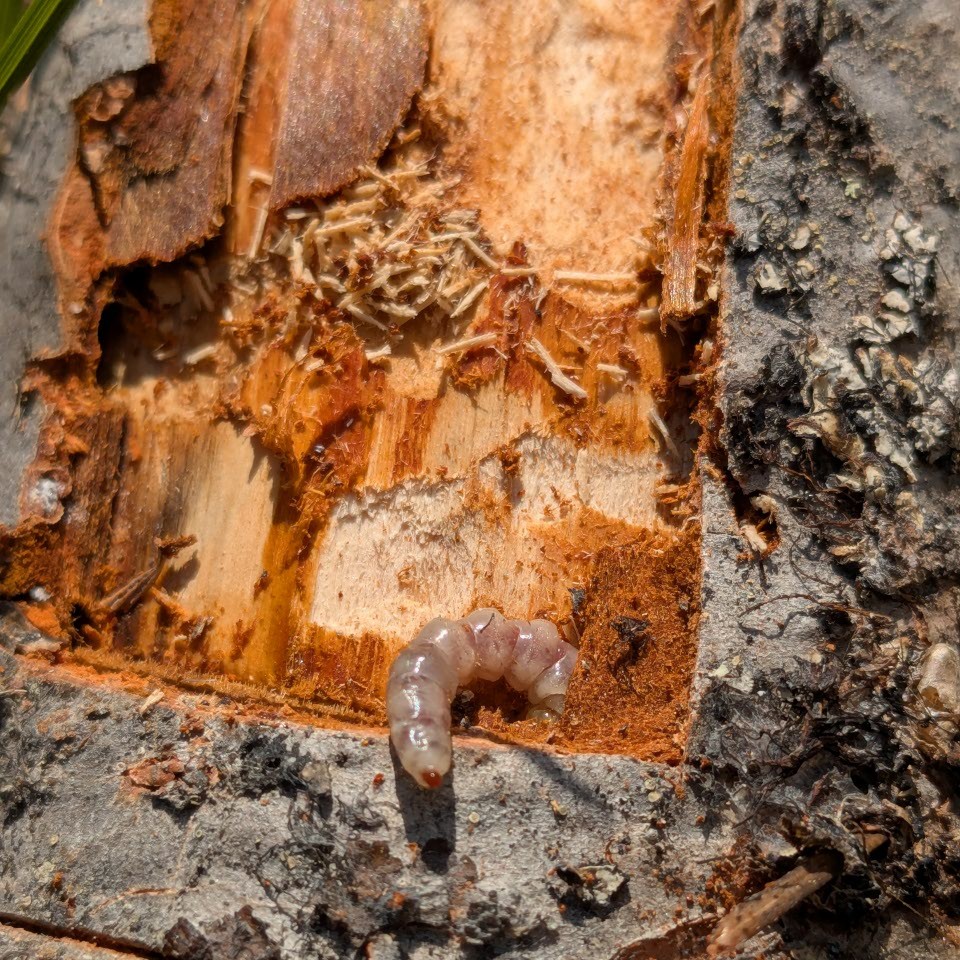
Pine sawyers, a type of long-horned woodborer; roundheaded woodborer larvae and excelsior-like frass.
Flatheaded/Metallic Wood Borers
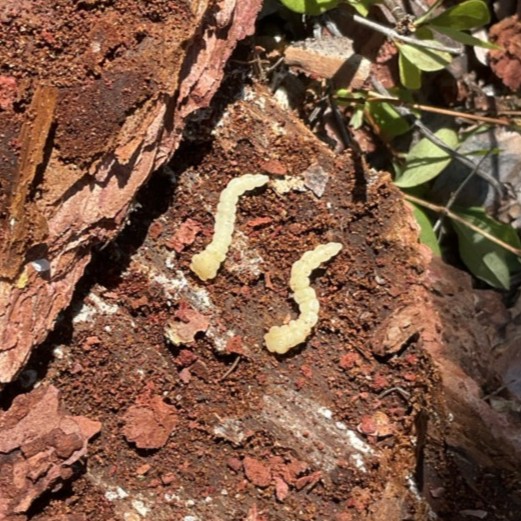
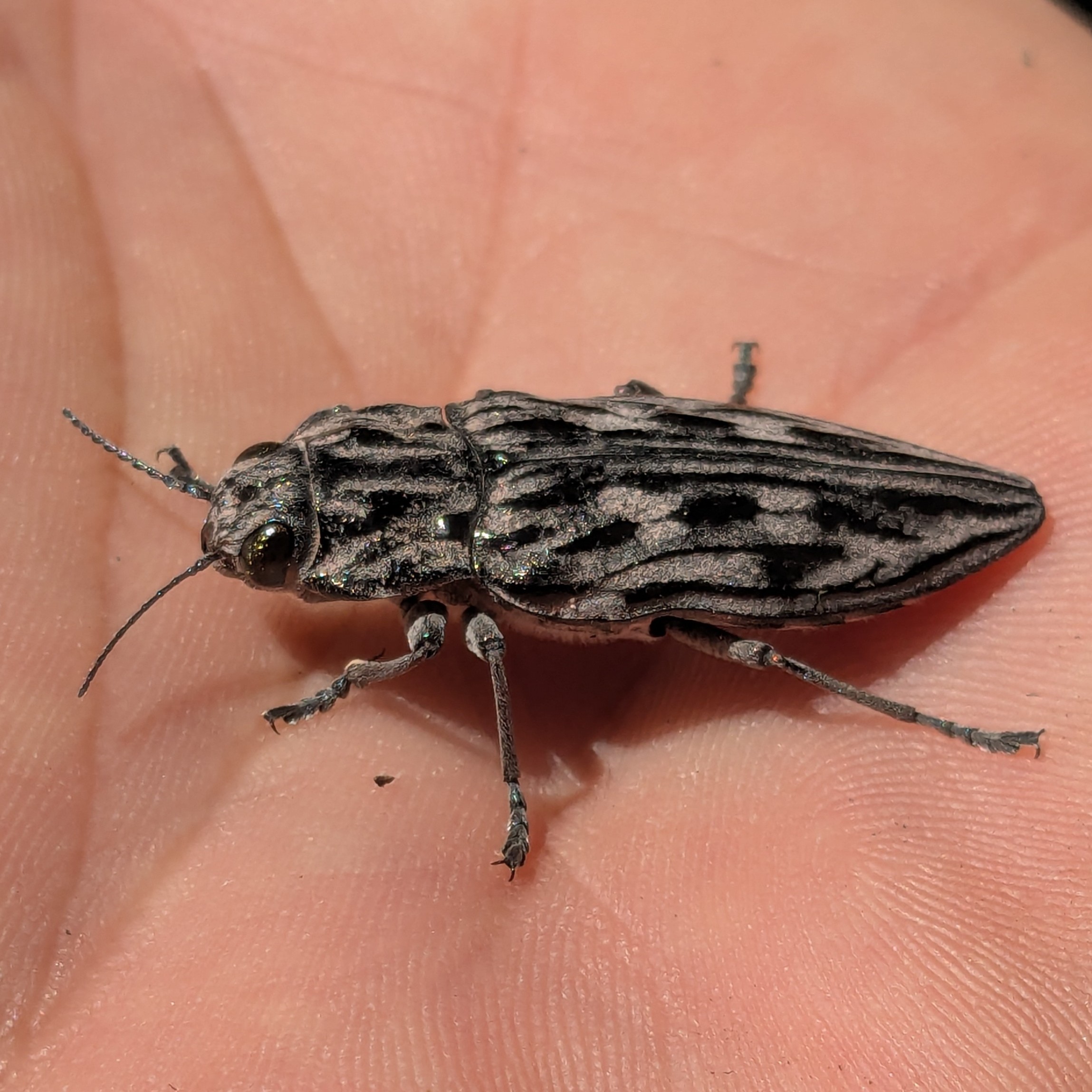
Flatheaded woodborer larvae; western sculptured pine borer, a type of metallic woodborer
Management
-
Promote tree health and vigor.
-
Thin overstocked stands, selecting stressed/dying trees for removal.
-
Manage proactively for other forest insects and diseases that may precede wood borer infestations.
-
Diversify species.
Additional Resources
Printable Fact Sheet: Wood Borers
Forest Insect & Disease Leaflets: Bronze Birch Borer FIDL, Fir Tree Borer FIDL, Twolined Chestnut Borer FIDL, White-Spotted Sawyer FIDL
Management Guides: General Wood Borer Management Guide, Flatheaded Fir Borer Management Guide, Flatheaded Pine Borer Management Guide, Sawyer Beetles Management Guide, Western Larch Borer Management Guide
Contact the Forest Pest Management Program
The Forest Pest Management Program supports service foresters throughout Montana. Contact your local service forester for questions regarding insects and diseases in your area.
2705 Spurgin Rd Missoula, MT 59804