Emerald Ash Borer Awareness Week
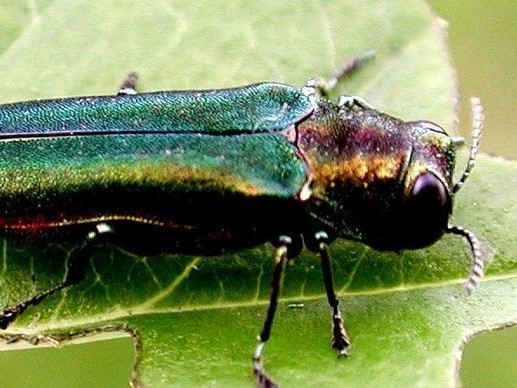
Emerald ash borer (EAB), Agrilus planipennis, is an invasive wood-boring beetle that kills ash trees (Fraxinus species). Although EAB has not yet been detected in Montana, it poses a major threat to both non-native and native ash trees. Up to 30% of city-owned trees in Montana are ash. Additionally, green ash draws are one of the rarest woodland types in the state but provide some of the most important wildlife habitat in eastern Montana.
This week (May 17-23), DNRC is sharing more about EAB, ash trees, and ongoing prevention and mitigation efforts.
View our posts on DNRC's Instagram & Facebook and view more resources below.
Photo: Leah Bauer, USDA Forest Service Northern Research Station, Bugwood.org
Curious about insect or disease damage on your trees? Contact your local service forester for advice.
DNRC has service foresters and urban foresters located in various offices across Montana. They are available for free one-on-one consultations regarding private and urban forests with private landowners, communities, educators, and more.
Curious to learn more about EAB and ash trees?
The organization Don’t Move Firewood highlights the notorious hitchhiking tree pest by hosting a series of informational webinars each year. Hear from experts on the impacts and management of EAB, ash cultural practices, and social media messaging strategies. Learn more and register for the webinars.
Curious if there are any ash trees in your community? Take a look at DNRC's Interactive Tree Inventory and urban forestry fact sheets by town.
Explore tree species, sizes, and locations in the 74 Montana towns that have been inventoried. This map reflects work completed before 2025 and will be updated annually to showcase community accomplishments.
Explore tree species, sizes, and locations in the 74 Montana towns that have been inventoried. This map reflects work completed before 2025 and will be updated annually to showcase community accomplishments.
DNRC and the State of Montana are here to help you with invasive species concerns. Connect with the following resources to learn more.
Learn more about the Montana Invasive Species Council (MISC) and how it helps prevent invasive species in Montana.
Learn more about DNRC's forest pest management program and how it assists landowners and resource managers in identifying and managing forest insects and diseases on their forested properties.
Learn more about DNRC's urban and community forestry program and how it promotes best management practices in the planting, maintenance, care, and protection of community forests.
Learn more about DNRC's stewardship program and how it connects Montana landowners, natural resource managers, and communities with the tools needed to actively and sustainably manage their forestland.
Arbor Day
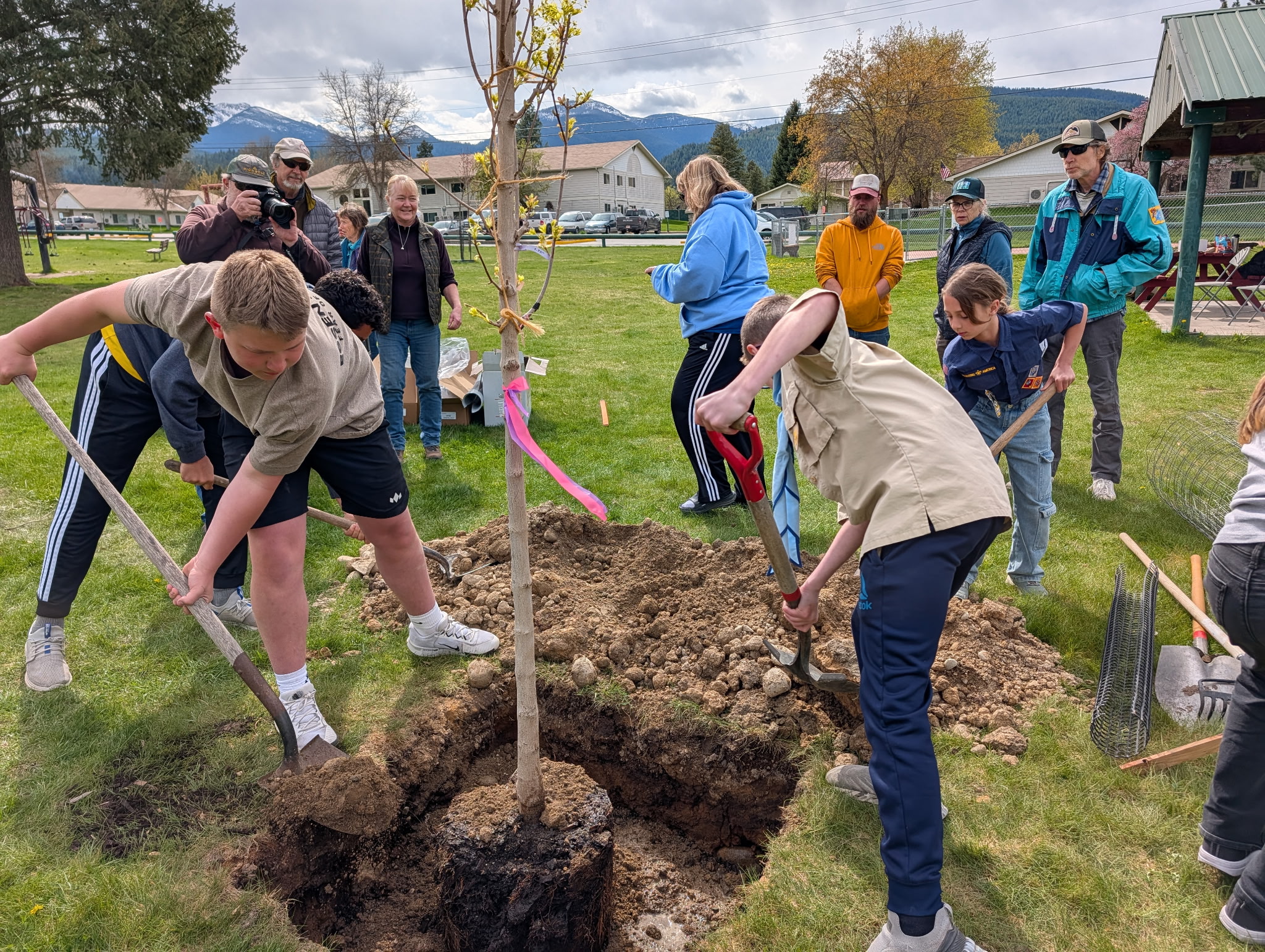
First proclaimed in 1874 by J. Sterling Morton in Nebraska, Arbor Day has grown into a nationwide tradition rooted in one simple but powerful idea: planting trees. Trees do so much more than beautify our communities. They clean the air we breathe, help manage stormwater, reduce urban heat, support mental well-being, and contribute to stronger, more vibrant communities.
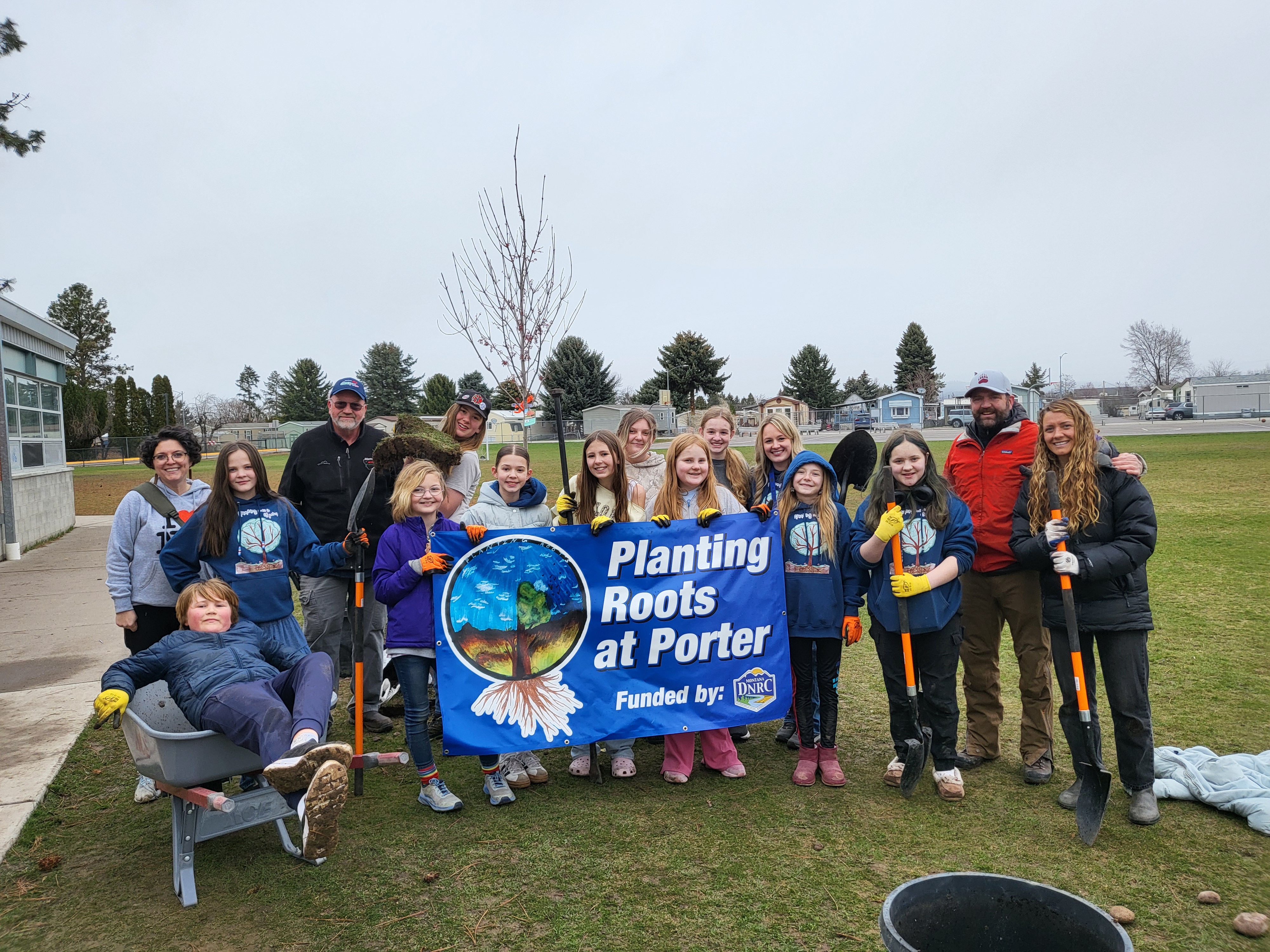
Every year on April 22, we invite you to celebrate by spending time with your favorite tree, learning about the trees in your area, or even planting one of your own. Every tree makes a difference.
Learn more about Arbor Day grants
Tribal Assistance
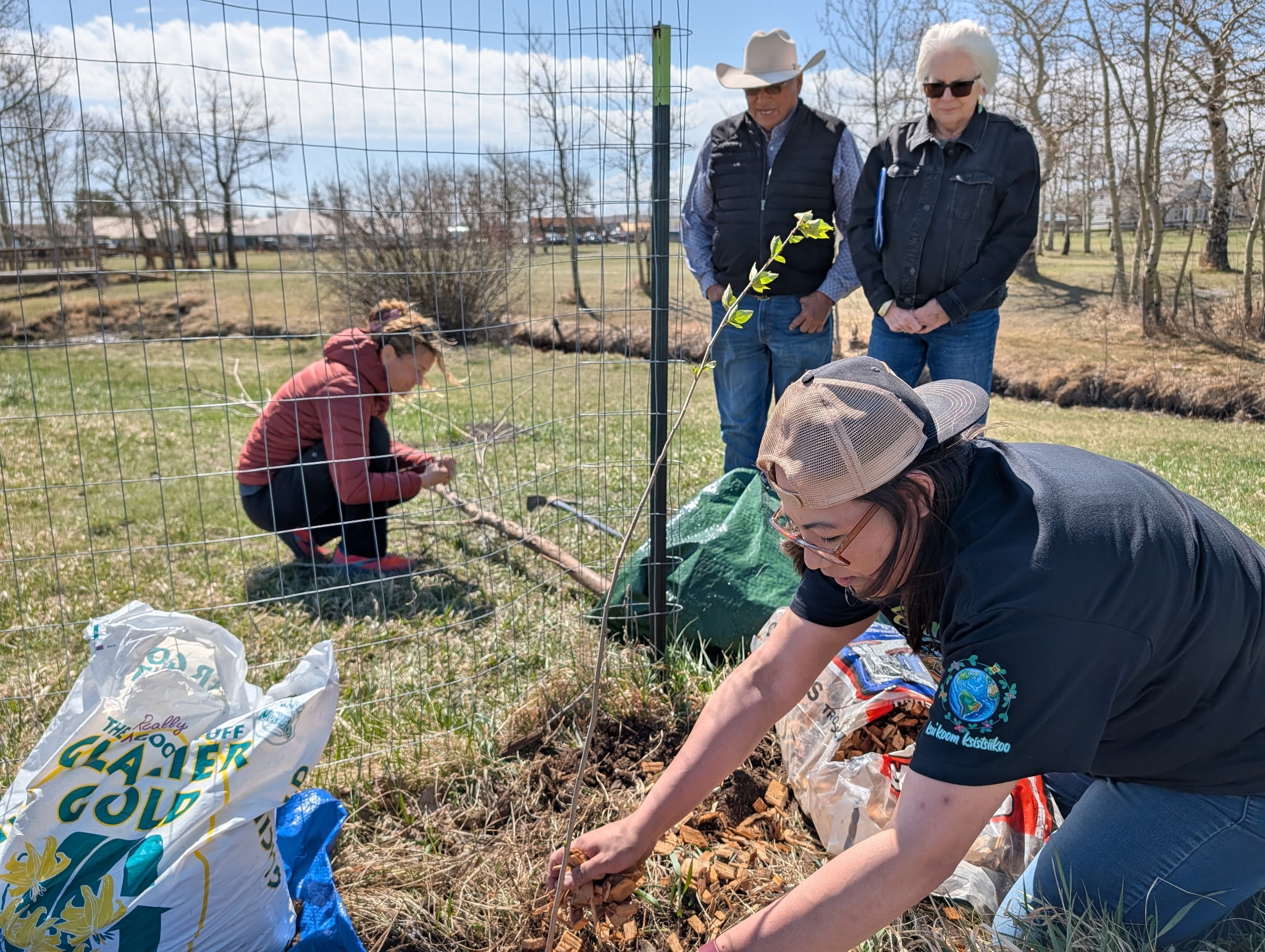
DNRC's urban and community forestry (UCF) program administers grant funding for Tribal Nations aiming to increase local engagement and education opportunities and develop sustainable urban forestry infrastructure for the long term.
Learn more about UCF Tribal Assistance projects and opportunities
Find Your Local Urban Forester
UCF staff provide assistance to more than half of Montana’s communities for tree inventories, tree care and maintenance, and community forest management plans. DNRC urban foresters work directly with communities in selecting, planting, and caring for trees.

Tree City USA & Tree Campus USA
The Tree City USA program provides direction, technical assistance, public attention, and national recognition for urban and community forestry programs in thousands of towns and cities. Over 125 million Americans live in a Tree City USA!
The Tree Campus USA program helps colleges and universities plant, nurture, and celebrate trees on campus and beyond. Current Tree Campus USA schools in Montana include Montana State University in Bozeman, the University of Montana in Missoula, and Blackfeet Community College in Browning -- the first Tribal college in the United States!
There are four standards to meet to become a designated Tree City USA. They include:
- Establish a Tree Board or department
- Write and adopt a Tree Care Ordinance
- Commit a minimum of $2 per capita annually to your community forestry program
- Celebrate Arbor Day
For more detailed information and other funds available, visit the National Arbor Day Foundation site.
Benefits include:
- Eligibility for additional grant monies from the Urban & Community Forestry program
- Honoring your community and demonstrating your commitment to a healthier environment
- Assistance managing your urban forest
- Benefit from a developed framework for action
- Educational opportunities across many tiers of individuals and organizations
For more detailed information and other funds available, visit the National Arbor Day Foundation site.
The Tree Campus USA program recognizes colleges and universities that:
- Effectively manage their campus trees
- Develop connectivity with the community beyond campus borders to foster healthy, urban forests
- Strive to engage their student population by utilizing service-learning opportunities centered on campus, and community, forestry efforts
For more detailed information and other funds available, visit the National Arbor Day Foundation site.
Explore More
- Montana's Readiness and Response Plan for Emerald Ash Borer - Revised May 2025.
- National Tree Benefit Calculator - Find out what kind of benefits a single tree provides in your location on an annual basis!
- The Arbor Day Foundation - The Arbor Day Foundation offers a variety of programs and resources, such as the Tree City USA Program, the Right Tree, Right Place selection tool, Tree Hardiness Zones, and more.
- Other important organizations that advocate for urban forestry: