
Root Diseases
Various species
HOSTS: Conifers
Depending on the root disease pathogen, some tree species may be less susceptible to disease than others.
DAMAGE: Mortality
Root diseases decay root systems and degenerate the tree's mechanical support. The fungi also compromise nutrient and water uptake, resulting in significant growth loss and mortality of susceptible species.
Ecology
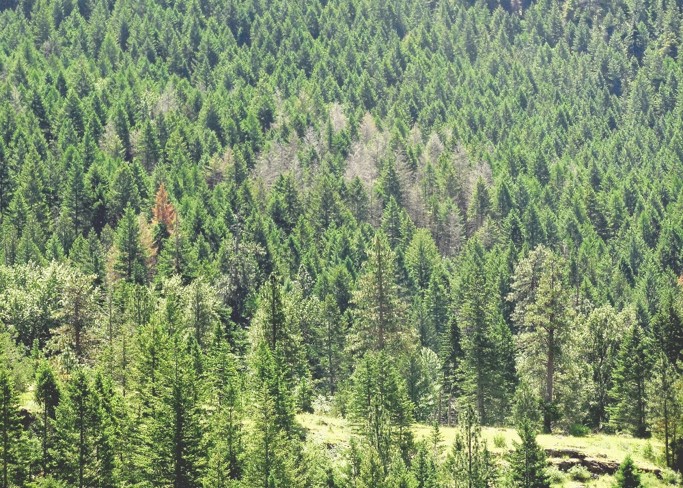
Root diseases are caused by fungi that decay the root system of live trees and are one of the greatest mortality agents in North American forests. The fungi spread underground through root contacts between trees, resulting in mortality pockets that expand over time. Fruiting bodies (e.g. conks) can also disperse fungi as wind-borne spores and infect stands over long distances. Root diseases are diseases of the site and persist over time; therefore, complete eradication is not possible. Susceptibility of tree species varies depending on the type of root disease present. Trees with root disease are structurally compromised and more likely to blow over during high winds. Additionally, root disease predisposes trees to bark beetle infestation.
Identification
-
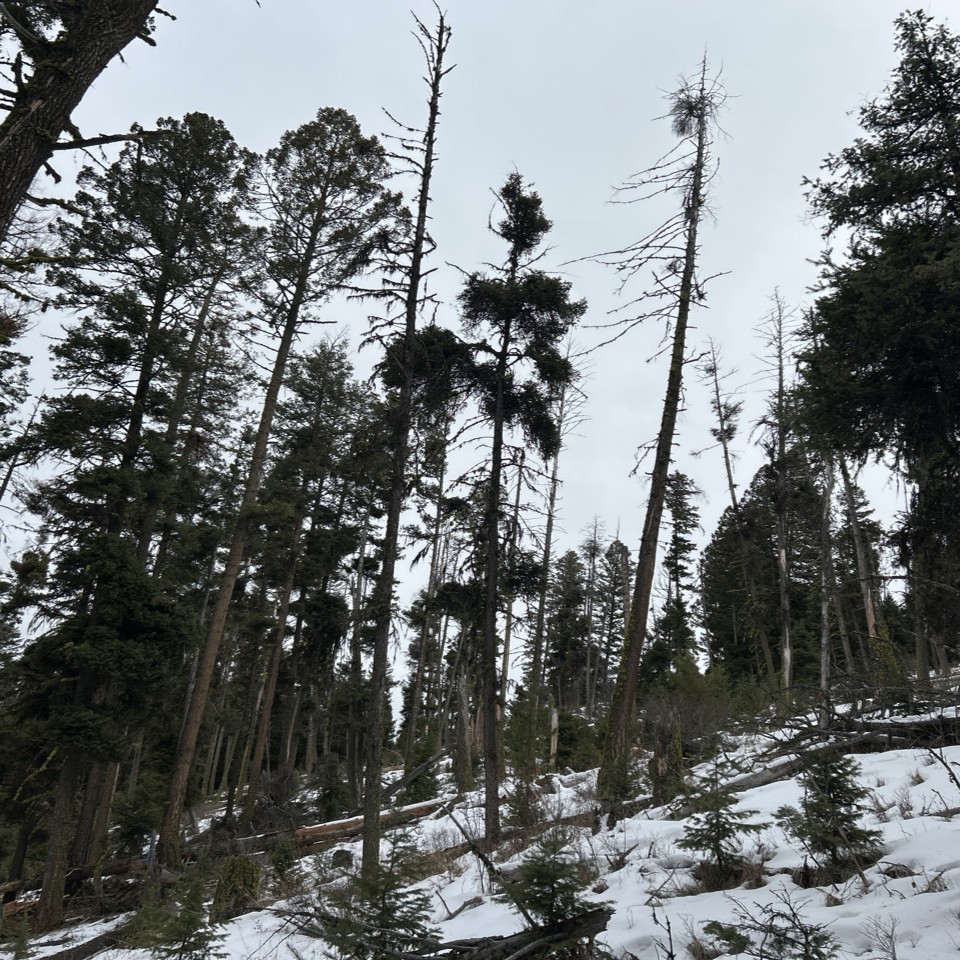
Patches of trees that have died over a period of time, including older dead stumps and trees that have died more recently
-
Look for upturned trees with roots broken near trunk and trees that have fallen over with roots broken close to the trunk. Exposed roots may be spongy and rotted.
-
Rounded, flat, or shrubby crowns due to stagnated growth
-
Crowns thinning from the interior; yellowing or dead needles
-
Swelling at the base of the trunk, sometimes accompanied by excessive resin production (resinosis)
-
Abundant crop of "stress cones"
-
Root disease fruiting bodies (conks, mushrooms) from tree or soil nearby
-
Above-ground symptoms are usually not apparent until the root system is at least 50% colonized by fungi.
Armillaria Root Disease - Douglas-fir, grand fir
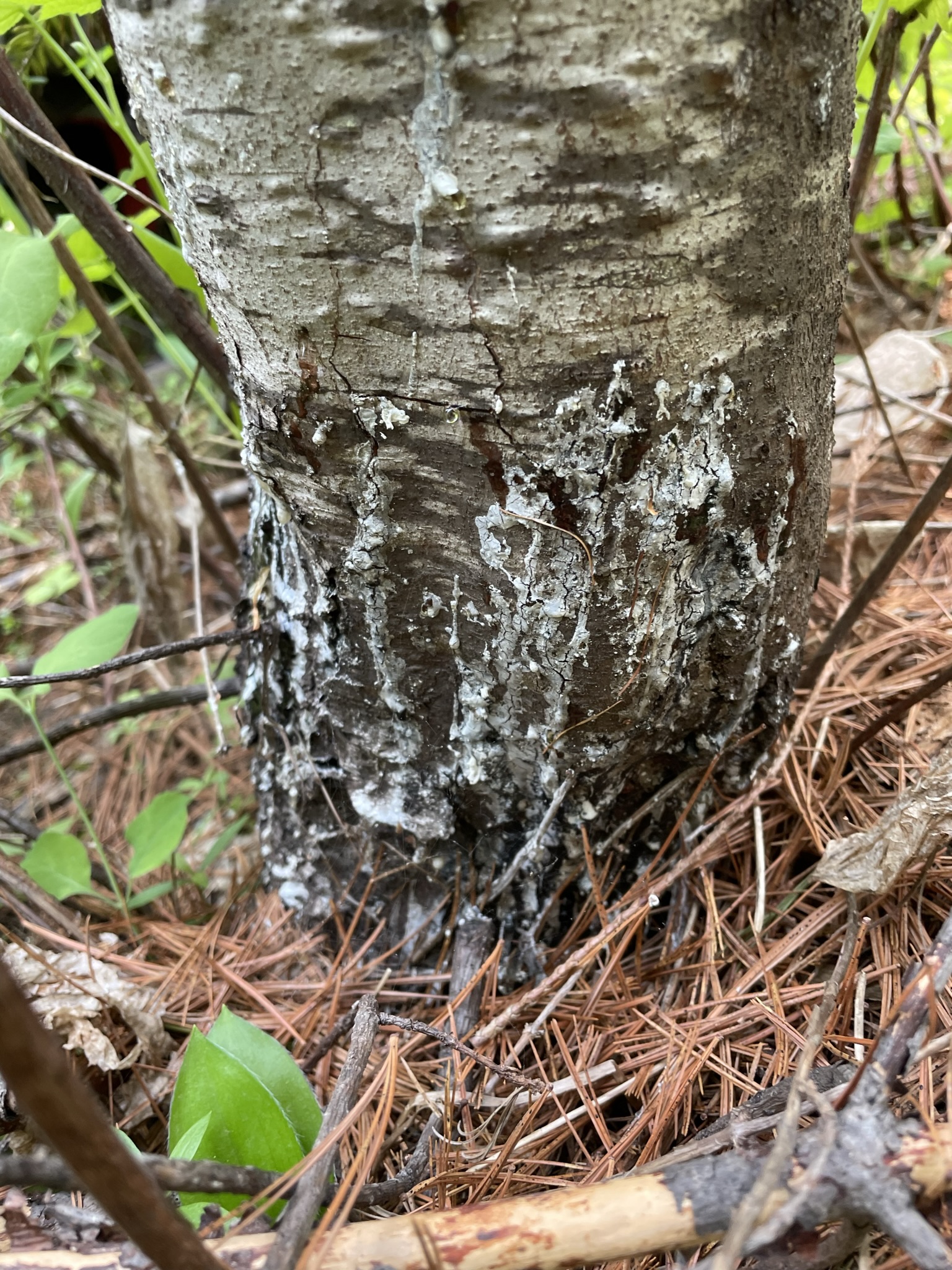
Armillaria is the most common root disease in Montana, with Armillaria solidipes (formerly known as A. ostaye) being the most pathogenic. Douglas-fir and true firs are most susceptible, while larch, pines, and cedar are less susceptible. Armillaria signs include white mycelial fans, which have a latex-like texture, and flat, dark rhizomorphs. Fruiting bodies may not always be present but are small brown mushrooms at the base of impacted trees or infected stumps in the fall.
Armillaria Root Disease Management
-
Reduce stress on trees.
-
Favor resistant/tolerant species. Regenerate with less-susceptible conifers; avoid planting or retaining highly susceptible species in disease-prone areas.
-
Limit inoculum.
-
Minimize wounding and disturbance.
-
Use careful harvest strategies. Avoid partial cuts that leave susceptible residual trees next to heavy inoculum; design treatments to shift species composition toward tolerant species.
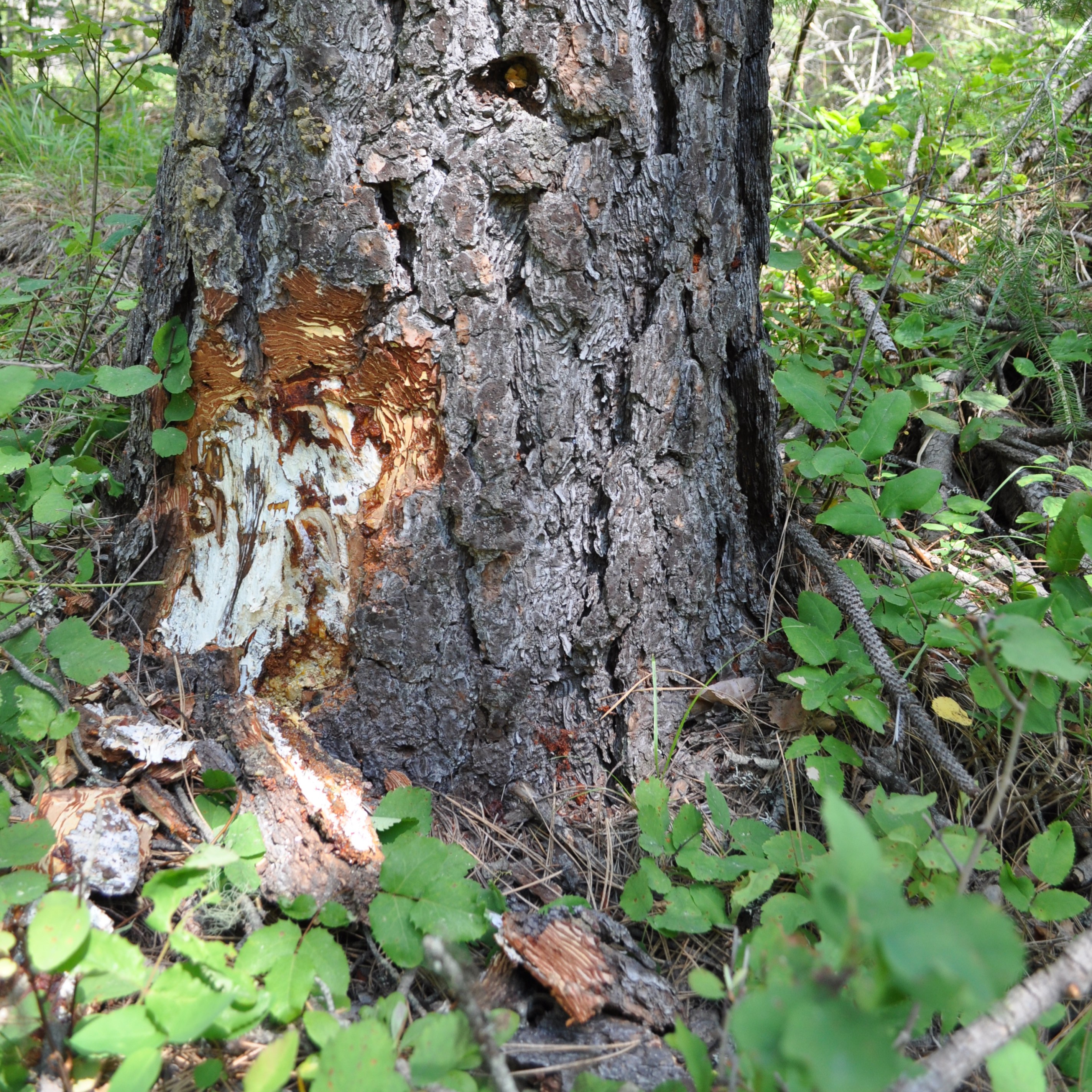
Douglas-fir infected by armillaria, mycelial fan visible where bark has been removed
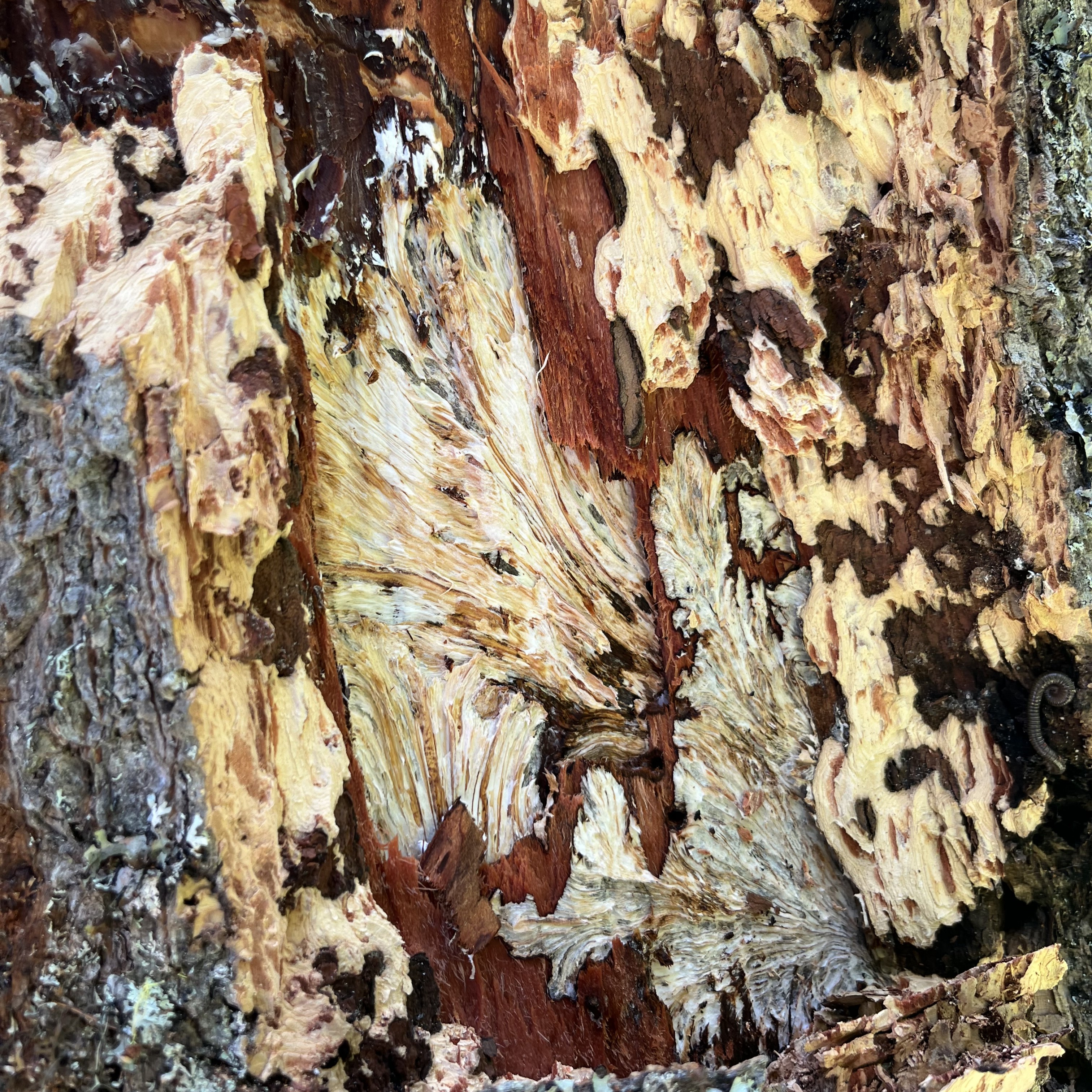
Close up of mycelial fan
Laminated Root Disease - Douglas-fir, grand fir
Laminated root disease is caused by the fungal pathogen Phellinus weirii and found only in northwest Montana. Douglas-fir and grand fir are highly susceptible, while pines, hemlock, and larch are less so. Trees are killed as the fungus girdles the cambium and decays the sapwood. Over time, wood separates (laminates) along annual rings. Fruiting bodies are very rare, but a thin layer of cream to yellow colored mycelium covers the outer bark of infected roots. Brown mycelial growth "setal hyphae" are present on decayed wood.
Laminated Root Disease Management
-
Favor resistant or immune species when replanting.
-
Remove infected trees and a buffer of susceptible hosts around infection centers.
-
Eliminate stumps/roots where feasible to reduce long-term inoculum.
-
Replant treated areas with resistant or immune species to prevent reinfection.
-
Minimize root injury during harvest or site work to avoid new infections.
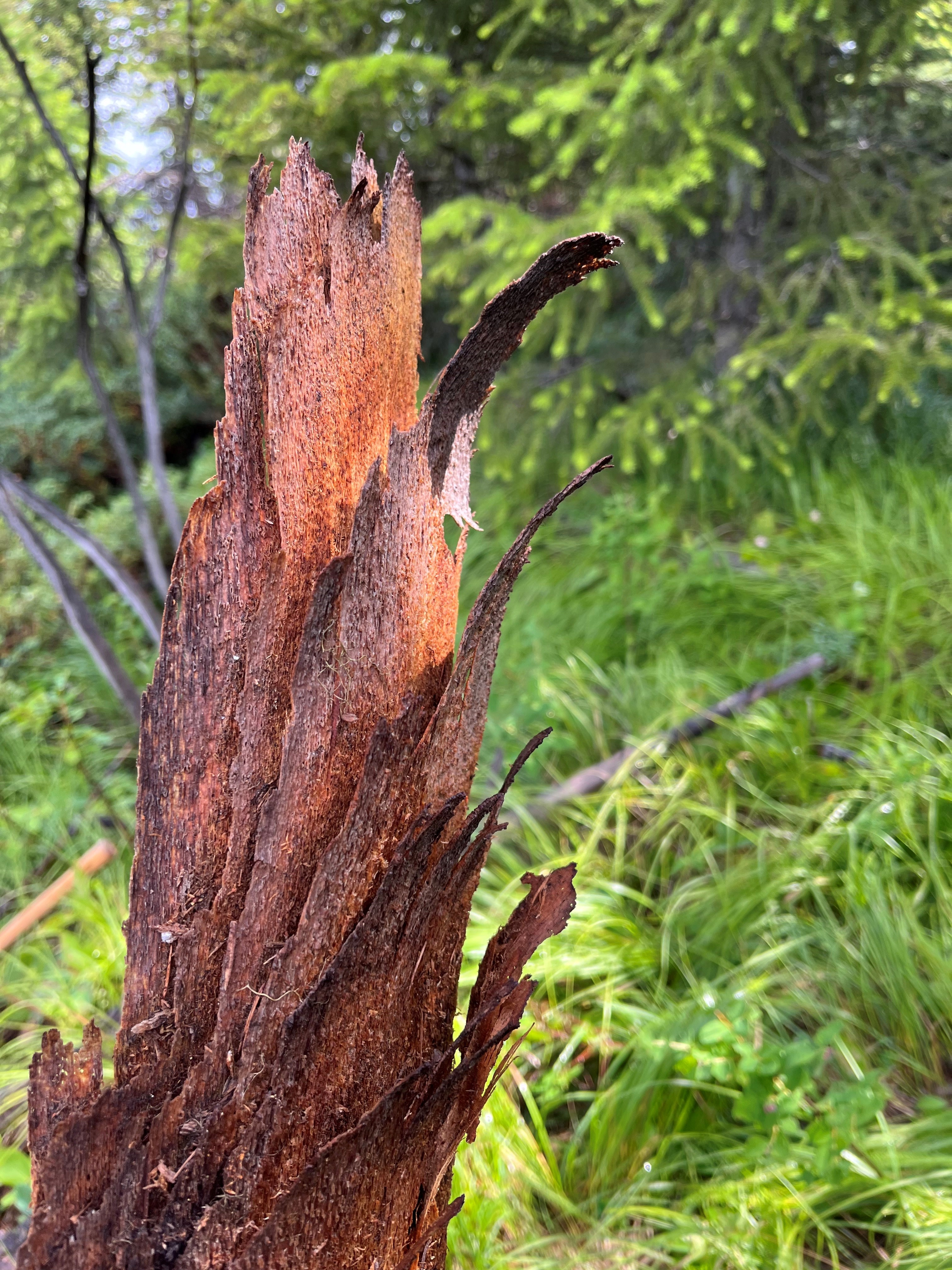
Laminated root disease showing separation at annual rings
Heterobasidion Root Disease
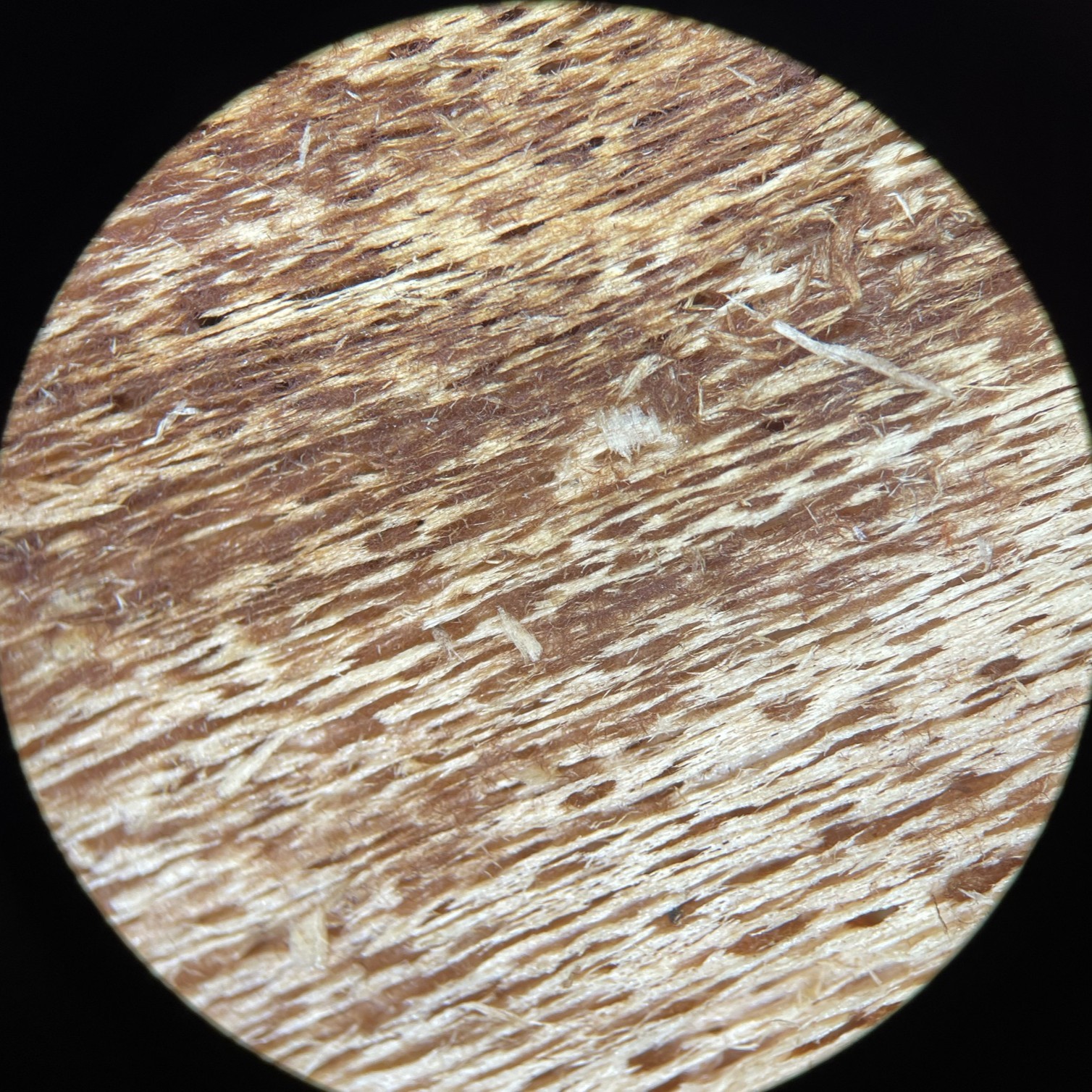
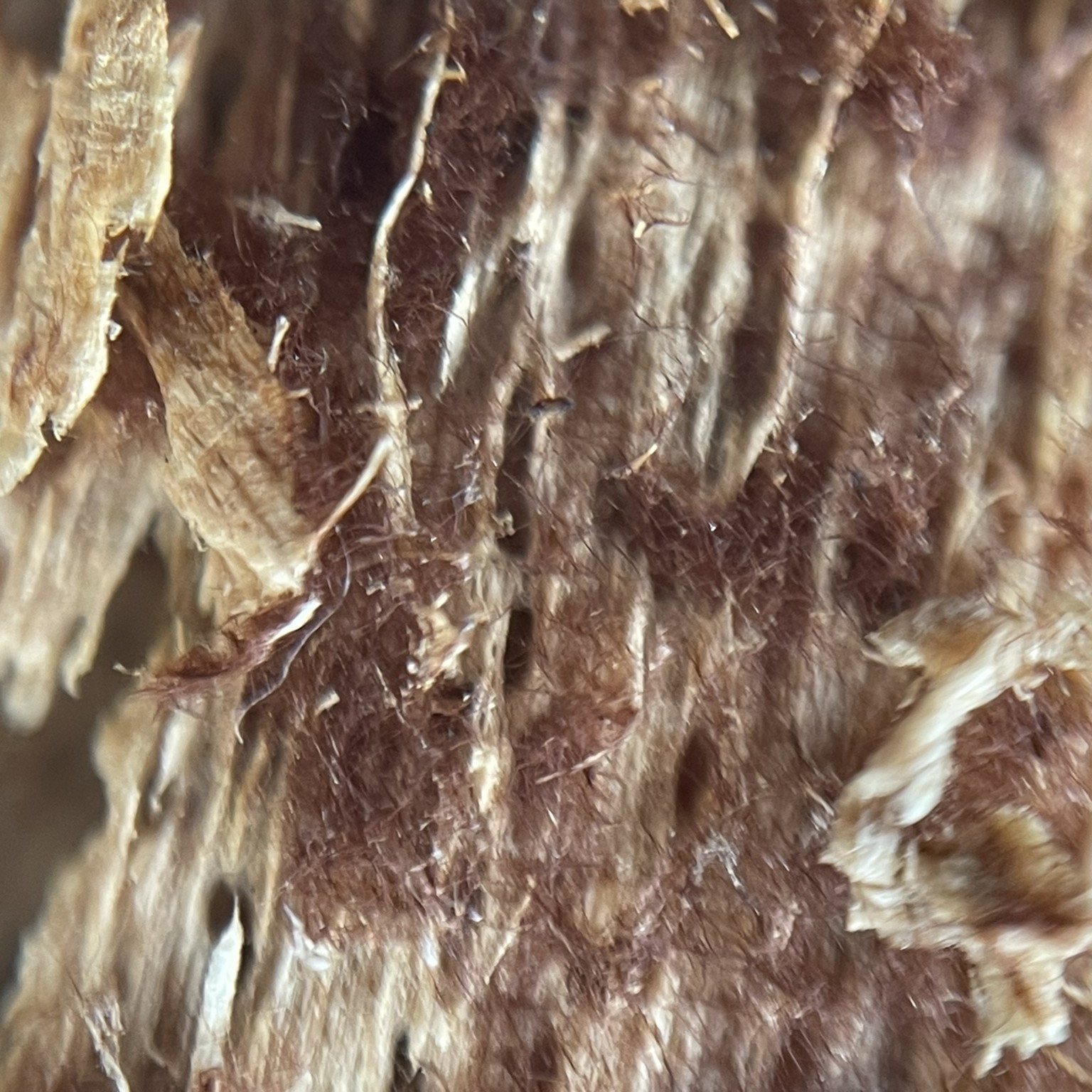
Formerly called annosus root disease. Early decay is similar to a white pocket rot and wood laminates (separates at growth rings) as decay progresses (similar to laminated root disease) before becoming stringy and spongy.
Pine-type Heterobasidion:
Pine heterobasidion Heterobasidion irregulare infects ponderosa, but is not known to occur east of the Continental Divide. Fruiting bodies are rare, and often found growing around pine cones/needles ("popcorn conks").
Management
-
Protect freshly cut stumps. Treat stumps within 24-48 hours using stump protectants- biological (e.g. Phlebiopsis gigantea) or chemical (e.g., borates/cellulose-based) to prevent spore infection.
-
Where disease is present, plant and promote resistant species appropriate to the site to limit spread.
-
Minimize wounding. Avoid root and bole injuries during harvest and site prep to prevent entry points for infection.
Fir-type Heterobasidion:
Fir heterobasidion Heterobasidion occidentale infects true firs, Douglas-fir, hemlock, and Engelmann spruce. Conks are leathery to woody with dark tops banded with white margins, and the underside pore surface is white with irregular pores.
Management
-
Avoid partial cuts in fir stands. Partial harvests in fir-dominated stands increase disease spread and root ort accumulation- prefer regeneration cuts or extended rotations.
-
Reduce stand susceptibility by removing fir. In mixed stands, shift composition away from true firs toward pines or other resistant species using regeneration cuts or prescribed fire.
-
Limit wounding and timing adjustments. Minimize soil and root damage during harvest; consider summer cutting to reduce stump colonization.
-
Shorten rotations in pure fir stands. Under 120-year rotation lengths help reduce root disease build-up when fir is the primary component.
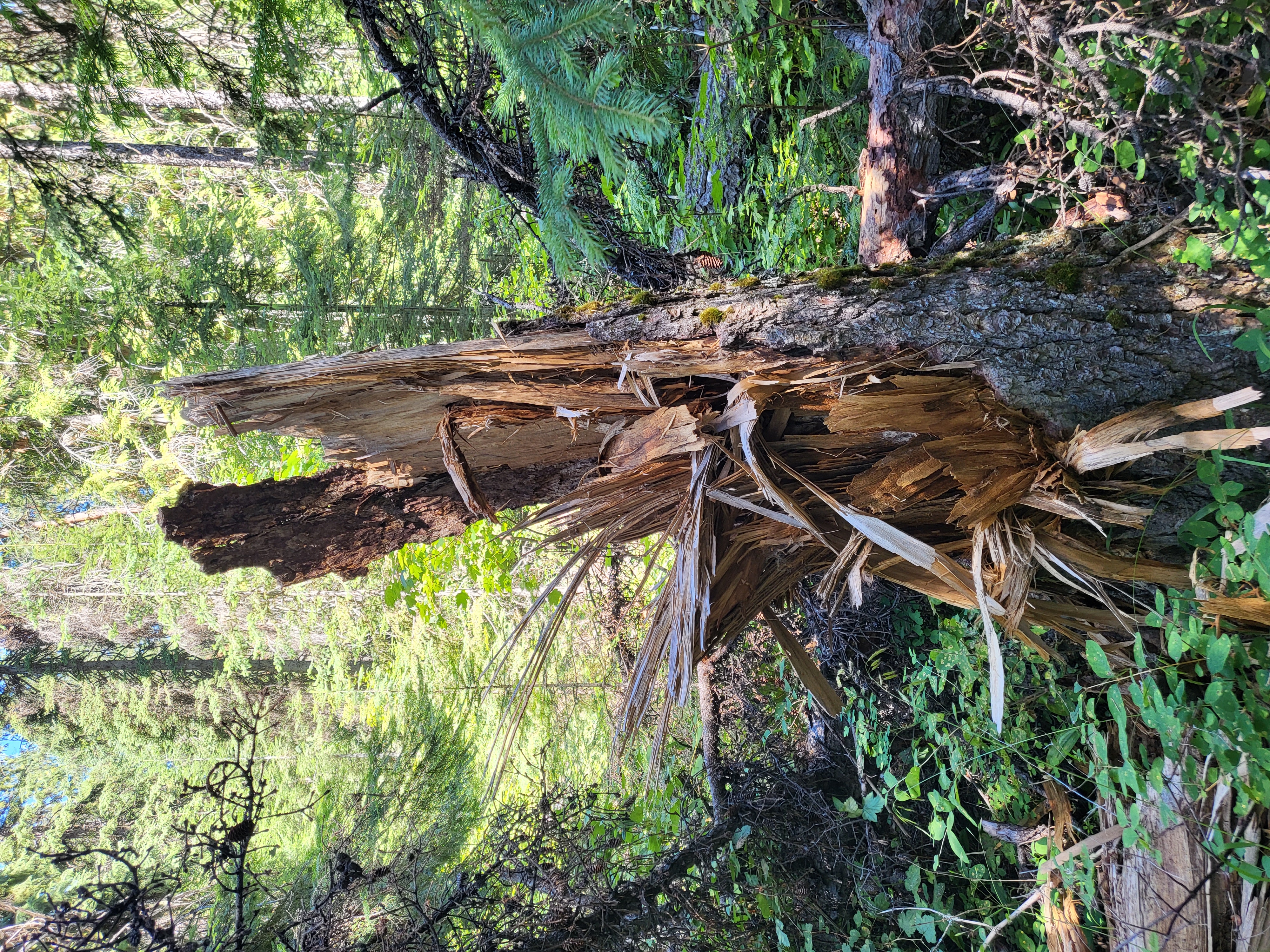
Lamination caused by heterobasidion
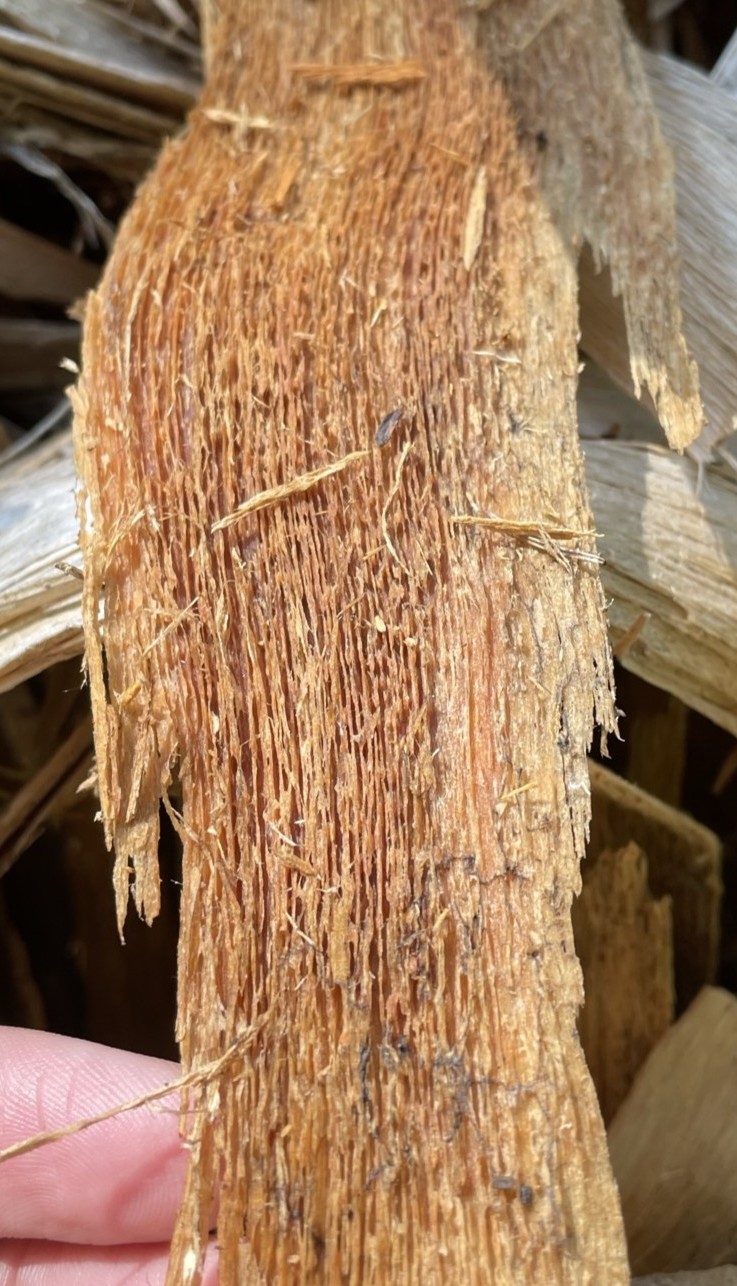
Decay close-up. Photo credit: Jill Hautaniemi, USFS
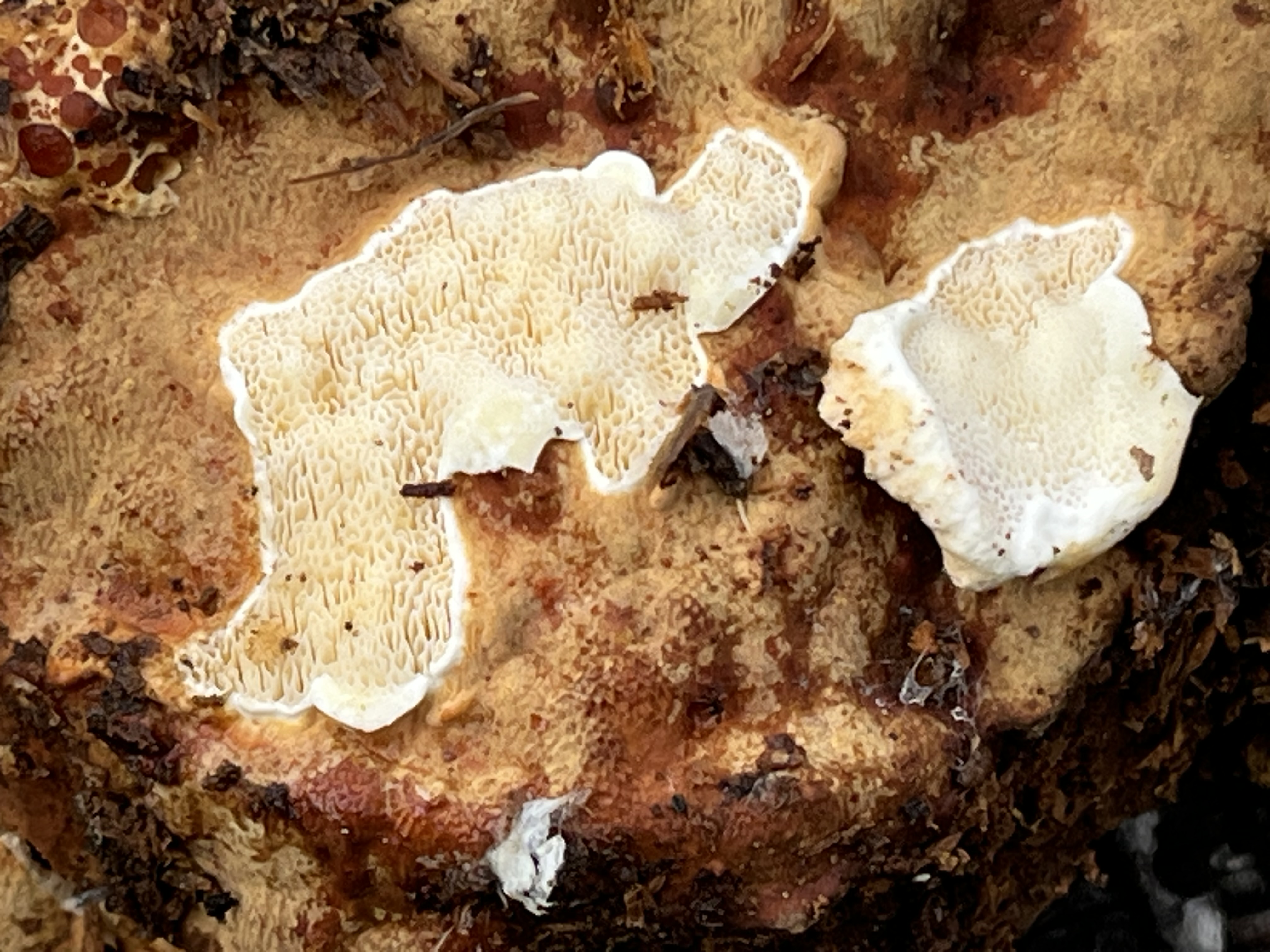
Fir-type heterobasidion fruiting body
Tomentosus Root Disease - Lodgepole pine, Engelmann spruce
Tomentosus is caused by the fungal pathogen Onnia tomentosa. Also called red root rot due to causing a reddish-brown stain n the heartwood of roots and butts, this disease causes white pocket rot with a honey-combed decay pattern in the lower three feet of the trunk and roots. Yellow-cinnamon colored conks are produced in the fall and darken over time. Occasionally, Douglas-fir and western white pine may be infected. Impacts are most severe in Engelmann spruce, leading to windthrow. More aggressive root diseases like armillaria and heterobasidion may co-occur.
Tomentosus Root Disease Management
-
Favor least-susceptible species when regenerating affected areas.
-
Avoid partial harvests that leave susceptible species standing, as infected stumps and roots accelerate spread.
-
Use precommercial thinning to favor tolerant species; avoid thinning stands dominated by Douglas-fir/true fir.
-
Maintain a site-suitable, mixed-species composition to limit formation and expansion of tomentosus centers.
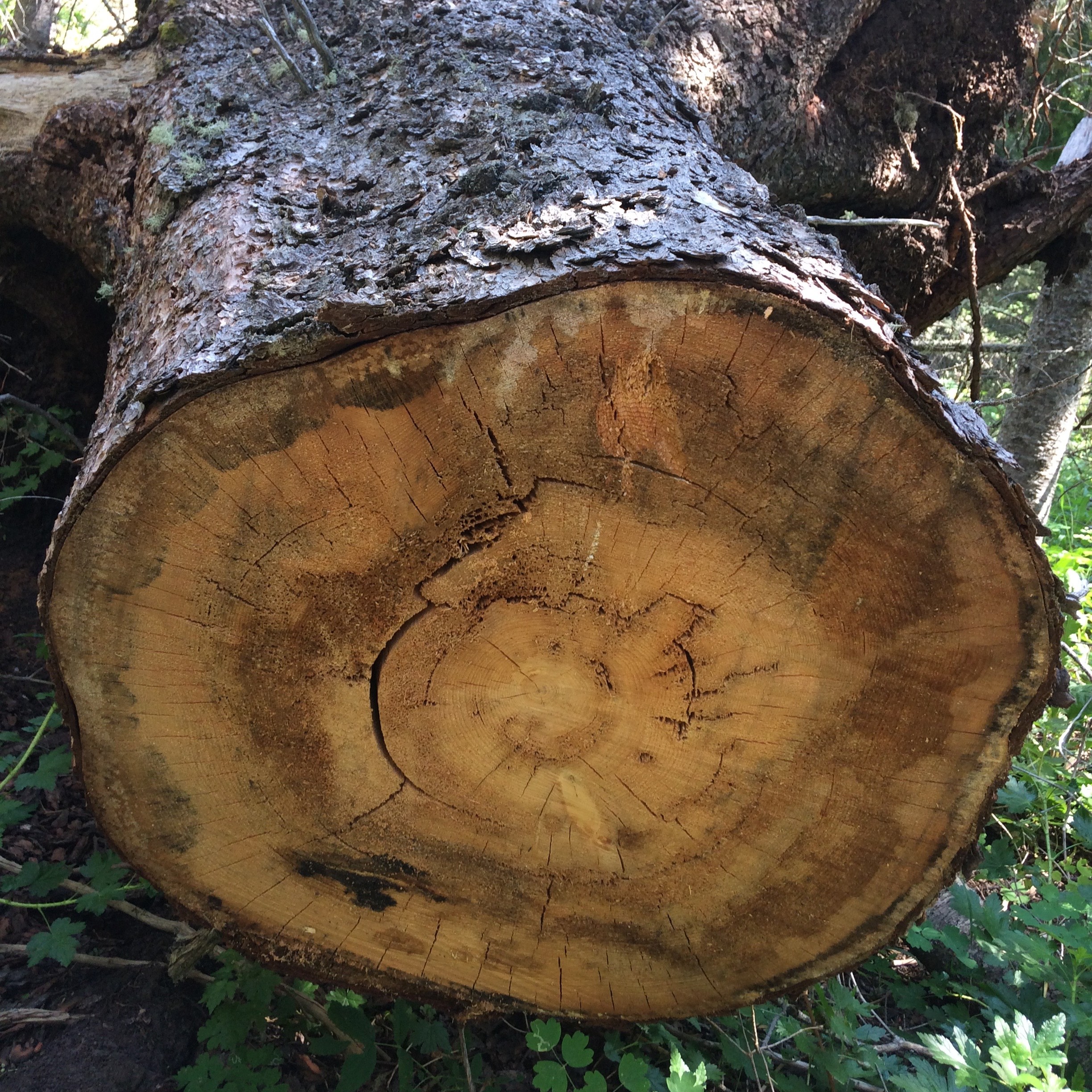
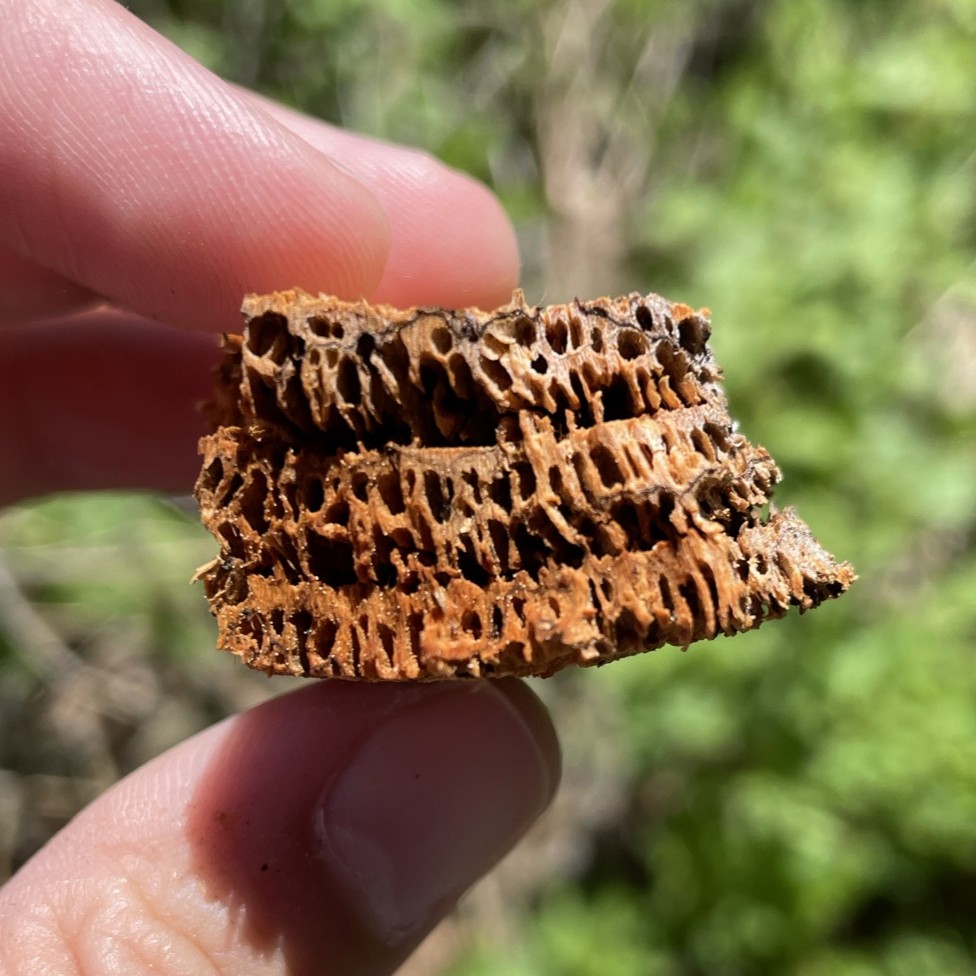
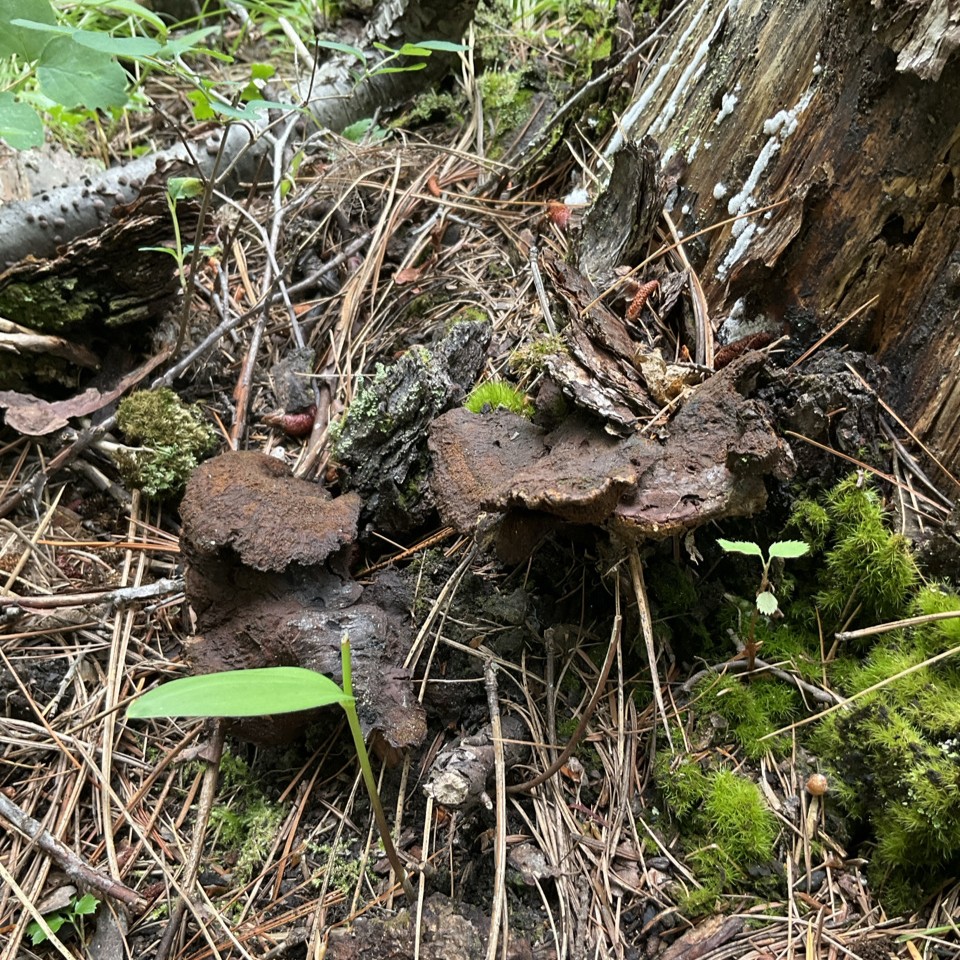
Schweinitzii Root and Butt Rot - Douglas-fir
This disease is caused by the fungus Phaeolus schweinitzii. Douglas-fir is the most susceptible species, but this disease can be found in all conifers. Considered less aggressive, symptoms don't become apparent until trees are quite old (100+ years). Roots are clubbed due to gall-like swelling, and have brown cubical decay. Schweinitzii decays roots and butt heartwood, resulting in uprooting or breaking during wind events. Fruiting bodies are common, and known as the "velvet-top" or "cow pie" conk.
Schweinitzii Management
-
Avoid partial cuts in susceptible stands (e.g. Douglas-fir or spruce), as leaving infected stumps promotes disease and windthrow.
-
Thin to maintain tree vigor on marginal sites.
-
Remove hazard trees in developed areas.
-
Shorten rotation and promote younger age class.
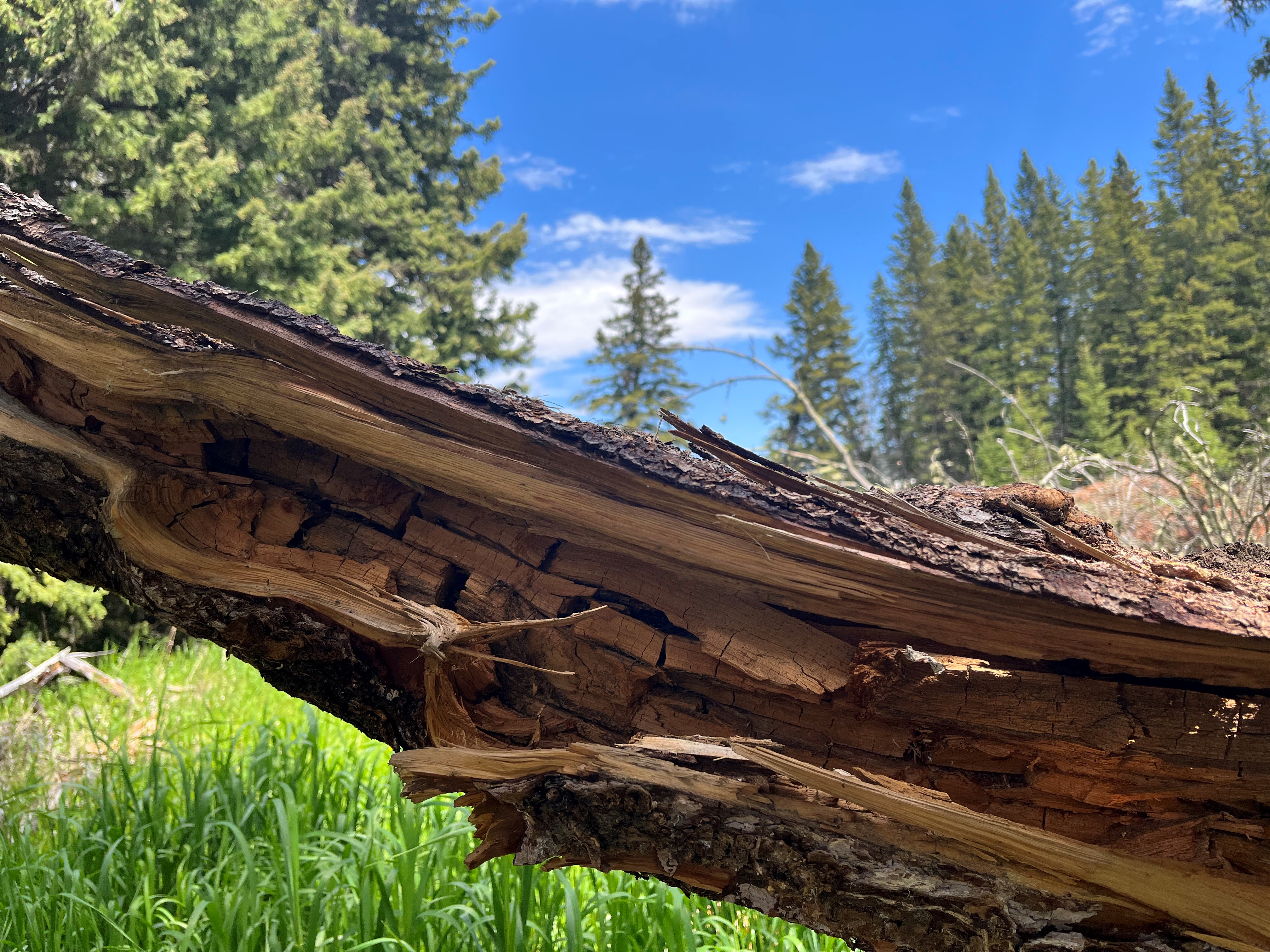
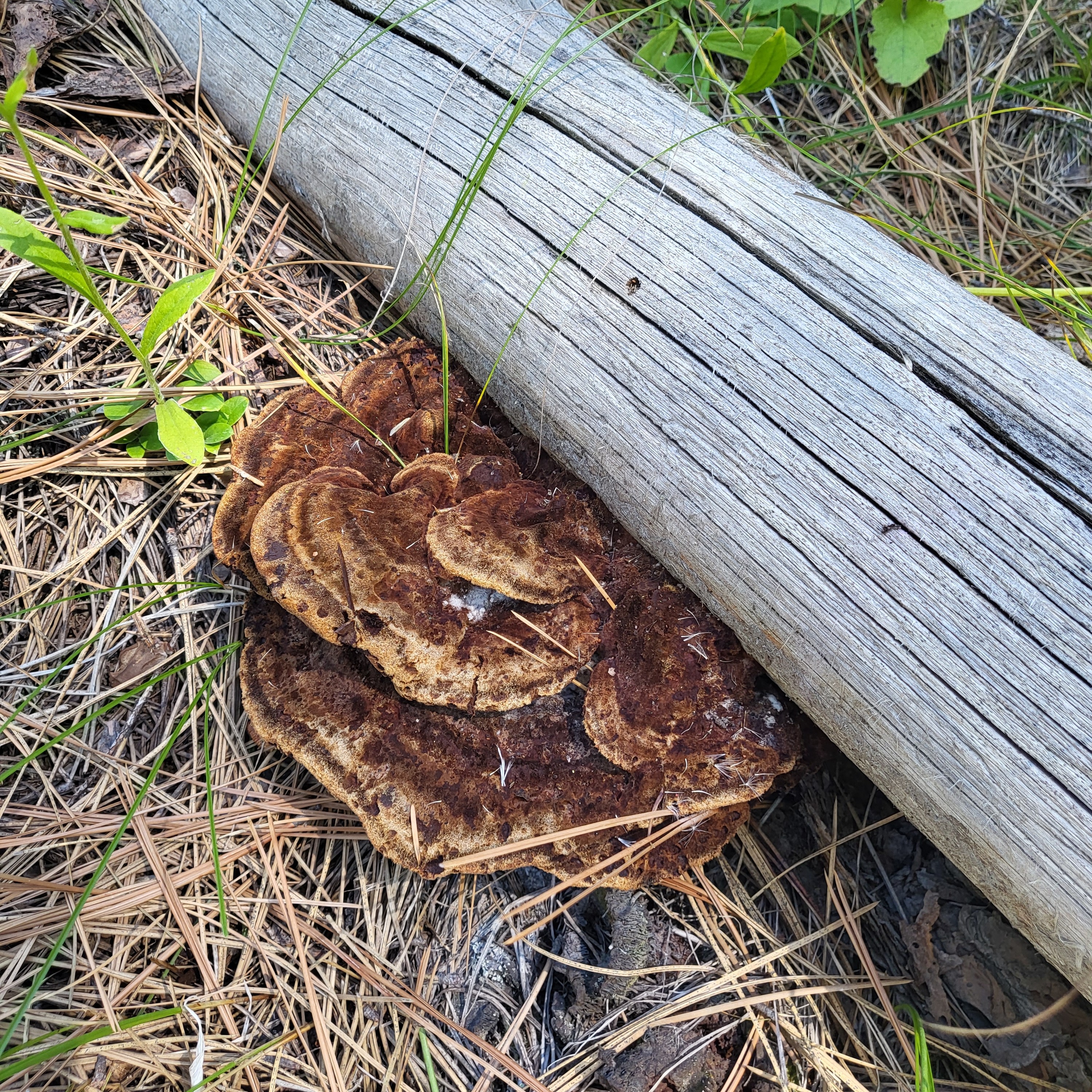
Additional Resources
Printable Fact Sheet: Root Disease
Forest Insect & Disease Leaflets: Armillaria FIDL, Decays of Engelmann Spruce and Subalpine Fir FIDL, Heterobasidion (Annosus) FIDL, Laminated Root Disease FIDL
Management Guides: General Root Disease Management Guide, Armillaria Management Guide, Laminated Root Rot Management Guide, Pine-Type Heterobasidion (Annosus) Management Guide, Fir-type Heterobasidion (Annosus) Management Guide, Tomentosus Management Guide, Schweinitzii Management Guide
Contact the Forest Pest Management Program
The Forest Pest Management Program supports service foresters throughout Montana. Contact your local service forester for questions regarding insects and diseases in your area.
2705 Spurgin Rd Missoula, MT 59804